
Ask ten Sydney homeowners what "safety glass" means and you'll get ten different answers, most of them wrong. It's one of the most common mix-ups we run into on glass repair Sydney jobs, tempered or laminated, which one actually fits what you're replacing. Most people assume all safety glass is basically the same, until they find out the two behave completely differently when something goes wrong, and by then it's usually too late to change the order.
What Tempered Glass Actually Is
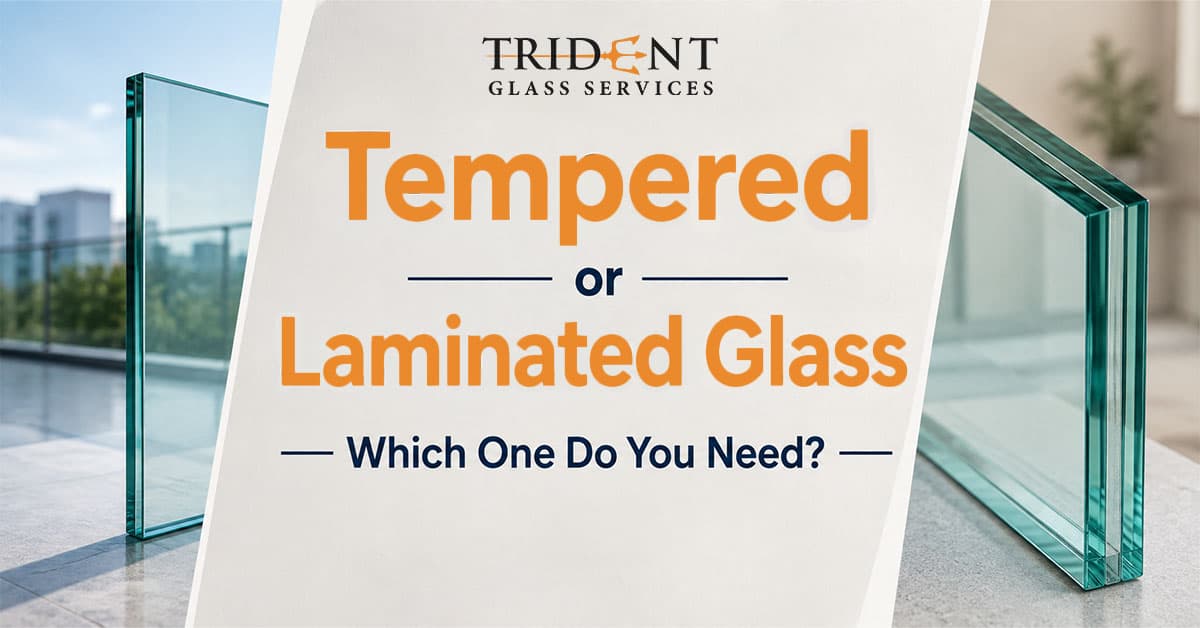
Tempered, or toughened, glass goes through a heating and rapid cooling process that leaves the surface under compression and the interior under tension. That process makes it roughly four to five times stronger than standard annealed glass of the same thickness. When it does break, it shatters into small, blunt pieces instead of sharp shards, which is exactly why it's used so widely in doors, shower screens, and low-level windows.
The tradeoff is what happens after it breaks. Tempered glass doesn't hold together. Once it's gone, it's gone, and the space it was covering is left completely open until it gets replaced.
What Laminated Glass Actually Is
Laminated glass is built differently altogether, two or more layers of glass bonded together with a tough interlayer in between. When it breaks, the interlayer holds the fragments in place instead of letting them scatter, so you're left with a cracked but still intact panel rather than an open gap.
That single difference is what tips the decision for a lot of applications. Laminated glass is the standard choice for overhead glazing, skylights, and anywhere a broken panel falling out entirely would be dangerous. It also does a noticeably better job cutting down outside noise, which is part of why it shows up so often in double-glazing setups.
Comparing Strength, Safety, and Sound
Neither option is universally better, they solve different problems. On raw impact resistance, tempered glass tends to win, since it takes more force to break in the first place. But for post-break safety, laminated comes out ahead, since it stays in the frame rather than falling away completely.
Laminated glass also has a real edge on acoustic performance and UV filtering, which is why it's often the internal or external layer of choice in a properly specified double-glazing setup, alongside options like VLam Hush for extra sound insulation. Tempered glass, on the other hand, is usually the more practical and cost-effective pick for straightforward safety applications like shower screens and standard doors.
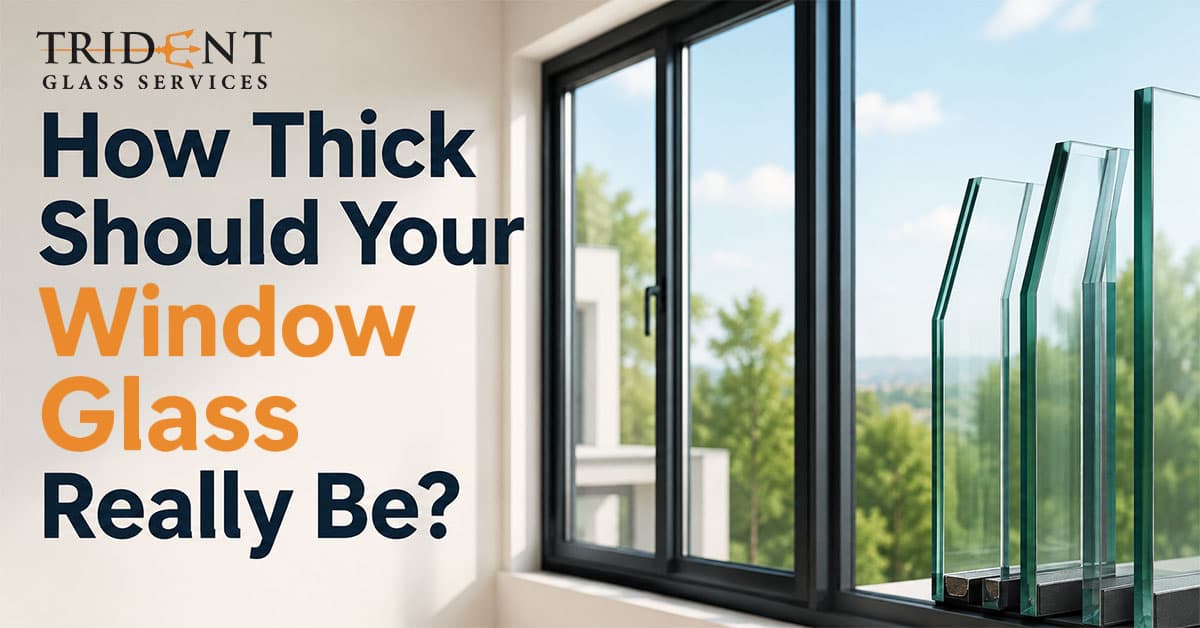
Both types are typically supplied in 6mm and 10mm thicknesses, and any panel installed for a genuine safety application should meet the Australian standard for safety glazing. It's worth asking your installer for proof of compliance, since not every supplier holds current certification on every batch.
Where Each One Actually Gets Used
Real jobs make this far more concrete than any general comparison can.
Shower screens and glass doors almost always call for tempered glass, since impact resistance and breaking safely matter more here than what happens after a break. Skylights, overhead glazing, and glass balustrades usually call for laminated glass instead, since a falling panel is the exact risk that needs to be avoided.
For double-glazed windows, the choice often comes down to what the job needs to solve, sound, security, UV control, or straightforward strength, and it's common to see one layer tempered and the other laminated within the same unit.
Cost and Maintenance Are Part of the Decision Too
Price often decides things once safety and application needs are settled, and it usually tips toward tempered glass, since the simpler manufacturing process makes it cheaper than laminated glass of the same size. That matters most on larger jobs like full shower enclosures or multiple window replacements.
That said, cheaper upfront isn't the whole story. Laminated glass holds its clarity longer under constant sun exposure, and its noise and UV filtering genuinely add ongoing value. For a single door panel, tempered is usually the practical call. For a full glazing upgrade where noise or UV damage matter, laminated often pays for itself.
Tempered or Laminated? Getting It Right the First Time
Choosing between the two isn't something to guess at, and it isn't something a generic online description settles either. With more than 14 years fitting both types across Sydney homes and businesses, we source every panel from Australian-certified suppliers and check compliance before anything goes in, whether that's a shower screen replacement or a full double-glazing job.
If you're upgrading to double glass windows Sydney and aren't sure which combination of tempered and laminated glass actually suits your windows, it's worth getting a proper on-site assessment rather than guessing from a catalogue. The right glass depends on what the panel needs to survive, an accidental knock, a break-in attempt, outside noise, or all three at once, and getting that assessment right the first time is what actually protects you later.