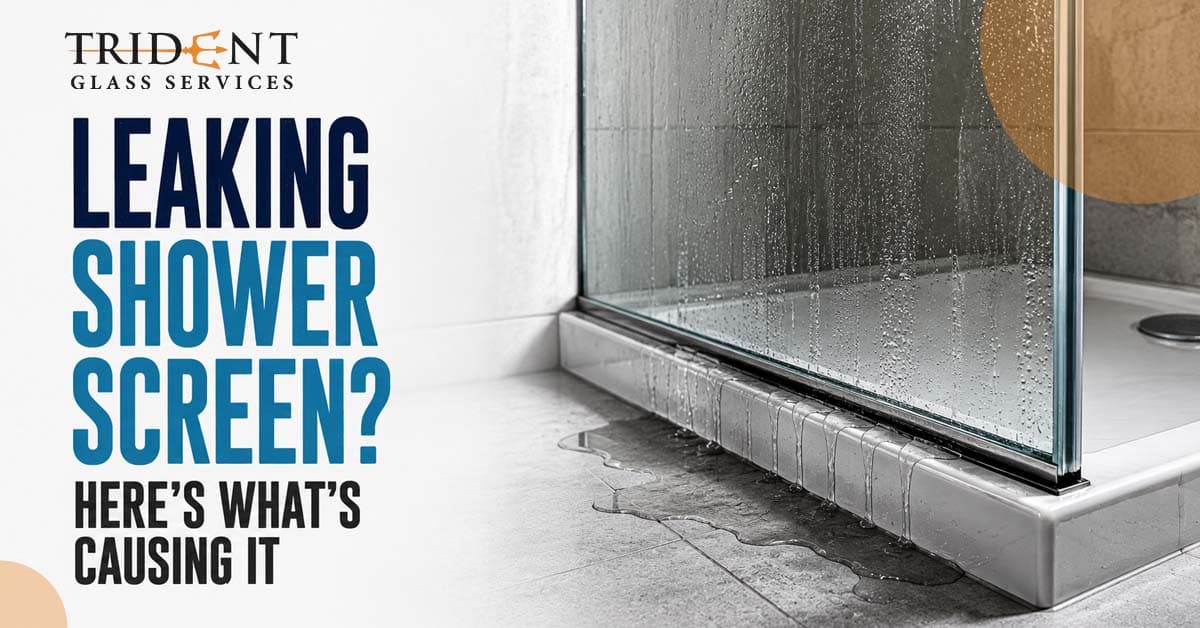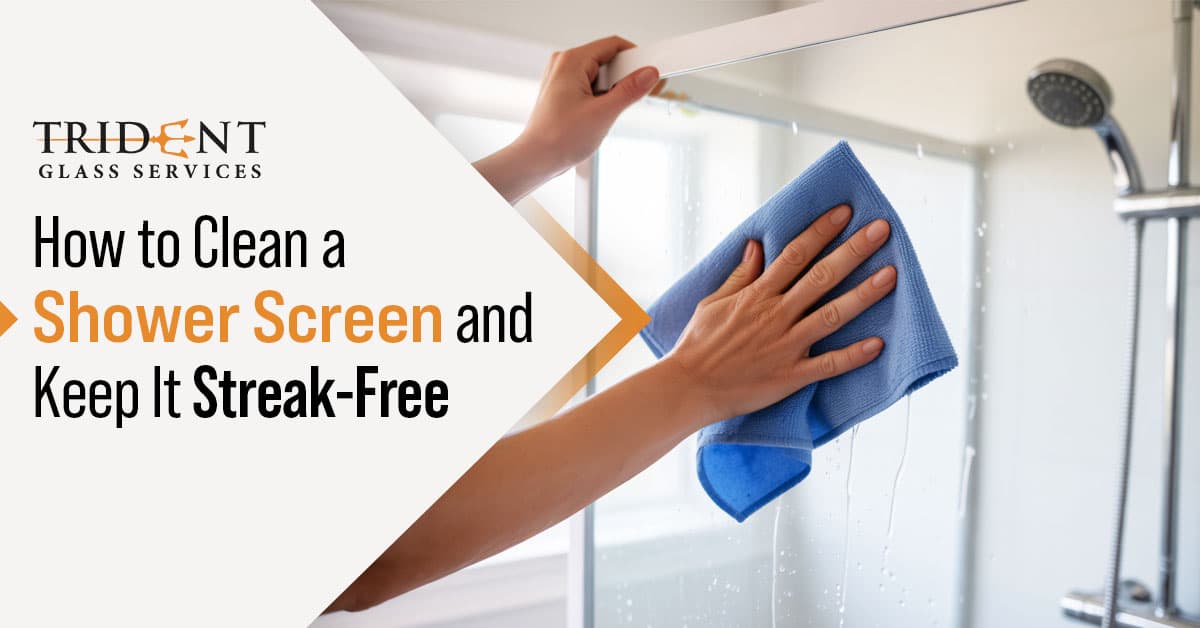


Your shower screen gets a lot of use every day. Hard water, soap residue, steam, and constant use all leave their mark over time. A simple shower screen maintenance routine, started early, saves you the cost and hassle of premature replacement down the track. The same logic applies whether you're looking at a shower screen Sydney installation or one closer to home in the west. Clean, well-cared-for glass simply lasts longer.
Why Perth's Climate Makes Maintenance Non-Negotiable
Perth's water carries a heavy mineral load, and the city swings between hot, dry summers and damp, cooler winters. That combination is hard on glass and hardware alike. Limescale builds up quickly in hard-water areas, hinges and rollers corrode faster near the coast, and silicone seals dry out or grow mould without enough airflow during wetter months. Consistent shower screen maintenance isn't a luxury here. It's how you keep your bathroom looking sharp and your screen actually doing its job.
Daily Habits That Actually Make a Difference
You don't need a deep clean every day to keep your screen in good shape. A few small habits go a long way:
Squeegee the glass after every shower. Twenty seconds of effort stops water spots before they set.
Leave the door or panel slightly open afterward so air can circulate and dry leftover moisture.
Wipe down tracks and hinges once a week with a soft cloth, since grit and soap residue collect there fast.
Skip abrasive sponges or scourers. They scratch the glass and dull frameless shower screens Perth bathrooms are known for this, especially because there is no frame to hide the damage once it happens.
Rinse the bottom track after washing hair-removal products or heavy cleaners down the drain.
None of this takes long, but skip it for a few months, and you'll notice the difference immediately.
Tackling Limescale and Soap Scum
Once limescale sets in, a squeegee alone won't shift it. Mix equal parts white vinegar and water in a spray bottle, coat the glass, and let it sit for ten to fifteen minutes before wiping it clean with a microfibre cloth. For stubborn buildup, a paste of bicarbonate of soda works on stains without scratching the surface. Commercial descalers are fine too; just check they're glass-safe first. Some formulas are harsh enough to etch the surface permanently, which no amount of cleaning will fix afterward.
If your household showers daily, doing this wipe-down weekly rather than monthly keeps the build-up from ever getting bad enough to need scrubbing in the first place. It's a far smaller job in small, regular doses than as one big weekend project.
Mould, Mildew, and Sealant Care
Silicone seals are usually the first thing to fail on an otherwise healthy screen. Check them every few months for cracking, discolouration, or gaps where water can sneak through. A bathroom with poor ventilation will grow mould along these seals far quicker than one with a working exhaust fan or an open window. If you spot black mould creeping in, a diluted bleach solution applied with an old toothbrush usually clears it, but if it keeps coming back, the seal itself probably needs replacing rather than another scrub.
A few habits worth building in:
Run the exhaust fan for at least twenty minutes after every shower.
Dry the seal line with a cloth once a week, not just the glass.
Re-seal annually if your bathroom doesn't get much natural airflow.
Frameless vs Framed: Different Screens, Different Care
Perth's coastal humidity and salt air have made frameless shower screens perth homeowners choose increasingly popular over the past decade, largely for the clean, minimal look. That style does ask for a bit more attention, though. Without a frame to share the load-frameless shower screens in Perth bathrooms rely entirely on the glass thickness and the clamps or brackets holding it in place. Check these fittings every so often for rust or looseness, and don't let limescale build up around them, since it can hide early corrosion until it's already a problem.
When to Call a Professional
Most shower screen maintenance can be handled with a cloth, the right cleaning solution, and a bit of regular attention. Some issues, though, call for a glazier rather than a DIY fix:
Cracked, chipped, or stress-marked glass
A screen that wobbles or doesn't sit flush against the wall
Persistent leaking despite a fresh seal
Hardware that's rusted through rather than just surface-stained
Doors that no longer slide or swing smoothly
Trying to fix these problems yourself often ends up costing more than getting a professional opinion early on. A glazier can also tell you whether a repair will actually hold or whether you're better off putting that money toward a replacement.
Keeping Your Bathroom Looking Its Best
A bit of routine care keeps your shower screen clear, hygienic, and free of the damage that creeps in unnoticed. Stay on top of the small jobs: squeegeeing, checking seals, watching for early rust. Keep it up and you'll get years more from the glass than homeowners who neglect it. If your current screen is past the point of saving, or you're planning a bathroom refresh, it's worth exploring our Shower Screen Perth range, built specifically to handle the local water and climate from day one.