
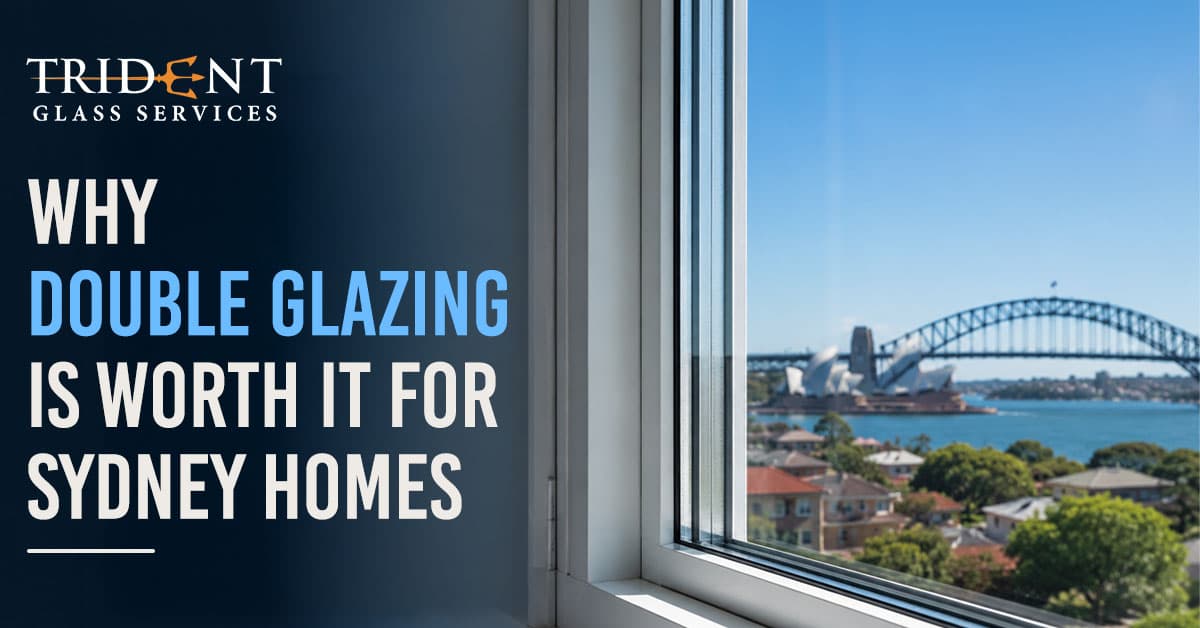
Sydney's weather doesn't do "mild" for long. One week you're cranking the heater against a southerly, the next you're fighting a 35-degree afternoon with every fan in the house running. If your windows are still single-glazed, you're paying for that swing twice over: once in lost comfort, once on the power bill. That's the short version of why so many homeowners are looking into Double Glazing Sydney upgrades and why the double-glazing benefits keep coming up in conversations with glaziers across the city.
What's Actually Happening Inside a Double-Glazed Window
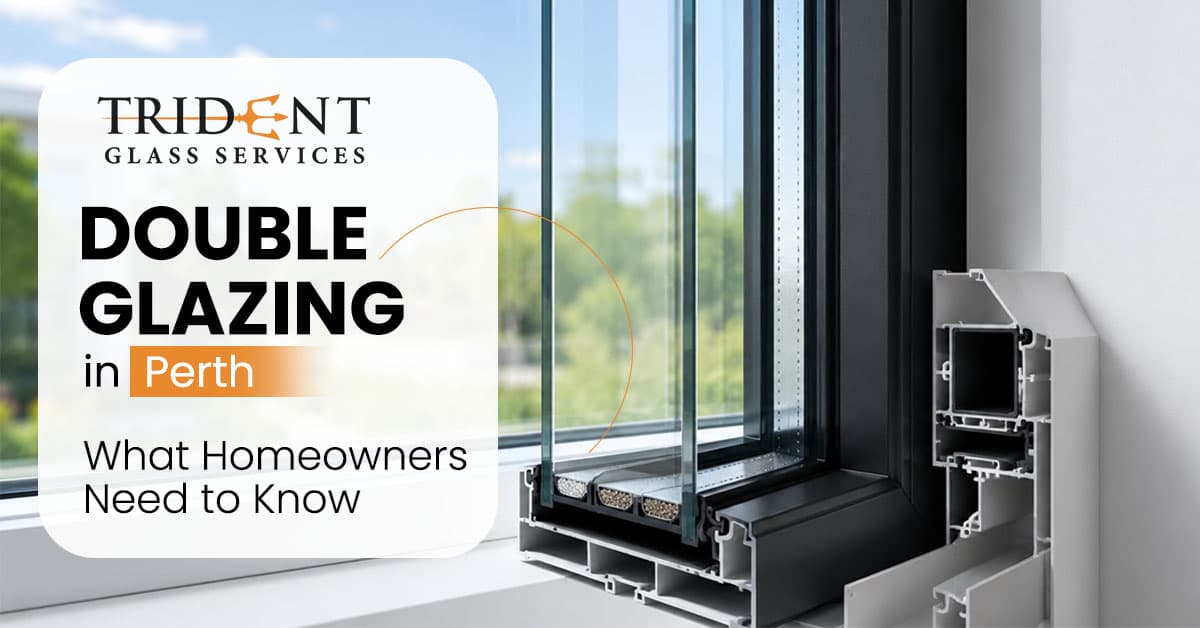
Two panes of glass, a sealed gap between them, sometimes filled with argon gas instead of plain air. That gap is the whole trick. It slows down heat transfer in both directions, so outside temperatures have a harder time reaching your living room. A single pane of glass does almost nothing to stop that transfer. Add a second pane with the right gap, and you've built a barrier that behaves more like insulation than a window.
It sounds simple because it is. The engineering sits in a matching gap width, gas fill, and glass type to your climate and your existing frames, which is where a proper installer earns their fee rather than just supplying the glass. Get any of those three wrong, and the window still looks the part without performing as it should.
The Benefits That Actually Show Up Day to Day
Ask anyone who's made the switch what changed, and you'll hear a similar list:
Rooms hold their temperature longer, so the heater or aircon doesn't run constantly to compensate
Street noise, like traffic, neighbours, and that one dog, drops noticeably
Condensation on the inside of windows becomes rare instead of a winter-morning routine
Toughened or laminated glass options add a layer of security and reduce injury risk if a pane breaks
Rooms near busy roads or west-facing windows stop being the hottest spot in the house every afternoon
These aren't marketing claims dreamed up to sell glass. They're the practical double glazing benefits that come from physically slowing heat and sound transfer through a window. Most owners notice the noise difference within the first week and the temperature difference within the first full season.
Double Glazing Energy Efficiency in a Sydney Climate
Sydney sits in an odd spot for energy planning: humid summers, cool but not brutal winters, and enough variation between suburbs (Penrith versus Manly, for instance) that a one-size answer rarely fits. This is exactly where double glazing energy efficiency earns its keep. Windows are typically the weakest point in a home's thermal envelope, often responsible for a large share of heat gained in summer and lost in winter. Cut that loss and gain, and the heating or cooling system isn't working as hard to hit the same temperature.
The gain isn't just about the power bill, either. Less reliance on heating and cooling means less wear on the system itself, fewer repairs, and a longer service life for the unit already installed. Over a decade, that adds up alongside the direct savings.
Where double glazing energy efficiency really shows is in homes with large west-facing glass, apartments above busy streets, or older houses with original single-pane timber frames. Retrofitting those windows tends to deliver a more noticeable shift than homes already built with thermally efficient glazing.
Is It Worth the Upfront Cost?
This is the question that stops most people before they get a quote. Fair enough. Double glazing isn't cheap, and retrofitting existing frames costs more than building it in from the start. A few things worth weighing:
Retrofitting is usually less invasive and less expensive than full window replacement, since the existing frame can often stay in place
Energy savings build over years, not weeks, so it's a longer-term return rather than an instant payback
Buyers increasingly ask about glazing during property inspections, so it can support resale value down the track
Noise reduction alone is worth the spend for anyone on a main road or under a flight path, regardless of the energy savings
None of this means double glazing belongs on every window in every house. Some owners glaze the rooms that matter most, like bedrooms, the home office, and the lounge facing the street, and leave the rest as is. A staged approach like this also spreads the cost, which makes the decision much easier to commit to.
Getting the Glazing Right
Not all double glazing performs the same, and the double glazing benefits you actually get depend on glass type, gap width, and gas fill, not just the fact that there are two panes instead of one. Options like tinted or low-emission glass change how much heat and light get through. Laminated glass with a noise-dampening interlayer (Trident uses VLam Hush™ for this) makes a real difference if traffic noise is the main complaint rather than temperature.
A free onsite measure and quote is the easiest way to find out which combination suits your windows, your budget, and the direction your house faces. It also stops you from paying for performance you don't actually need.
If you're comparing options for Double Glass Windows Sydney , it's worth getting a proper assessment before deciding which rooms to prioritise. Between the comfort, the quieter rooms, and the long-term savings, double glazing tends to pay for itself in ways that aren't always obvious from the quote alone.