
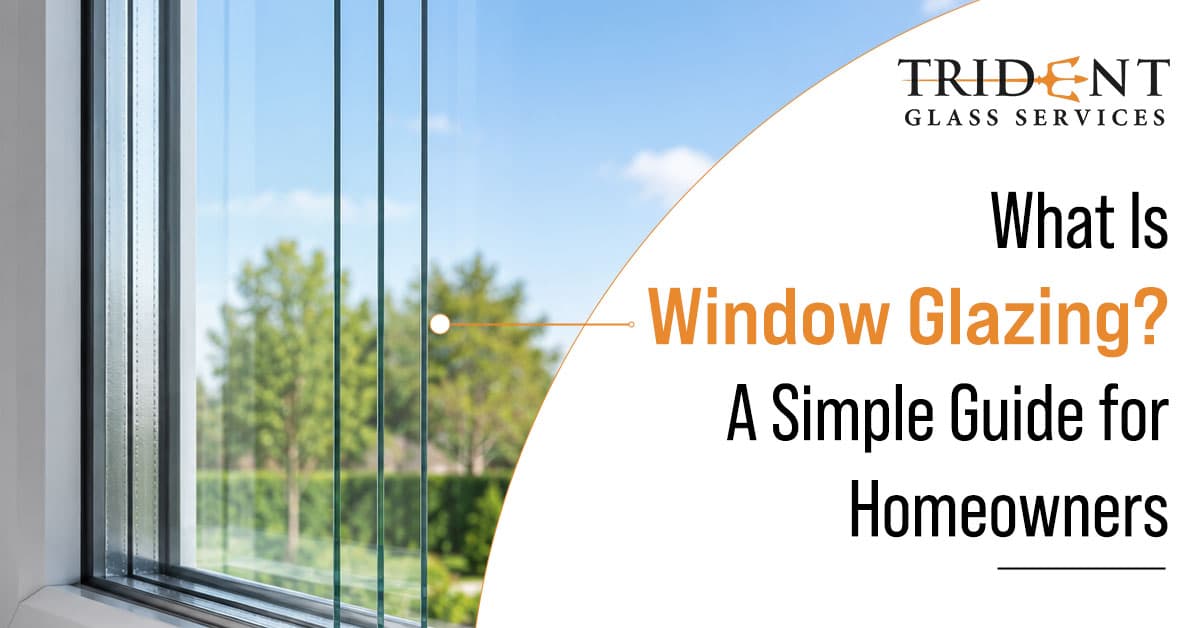
If you've ever had a quote from a glazier and walked away more confused than when you started, you're not alone. So what is window glazing, in plain terms? It's the glass component of a window, including how many panes it has, the gap between them, and what's filling that gap. Get this part right, and a window does a lot more than let light in. Get it wrong, and you'll feel it on every hot afternoon and cold night. This guide breaks down the basics, including Double Glass Windows Sydney options and where secondary glazing fits into the picture, without the jargon that usually comes with it.
What Glazing Actually Means
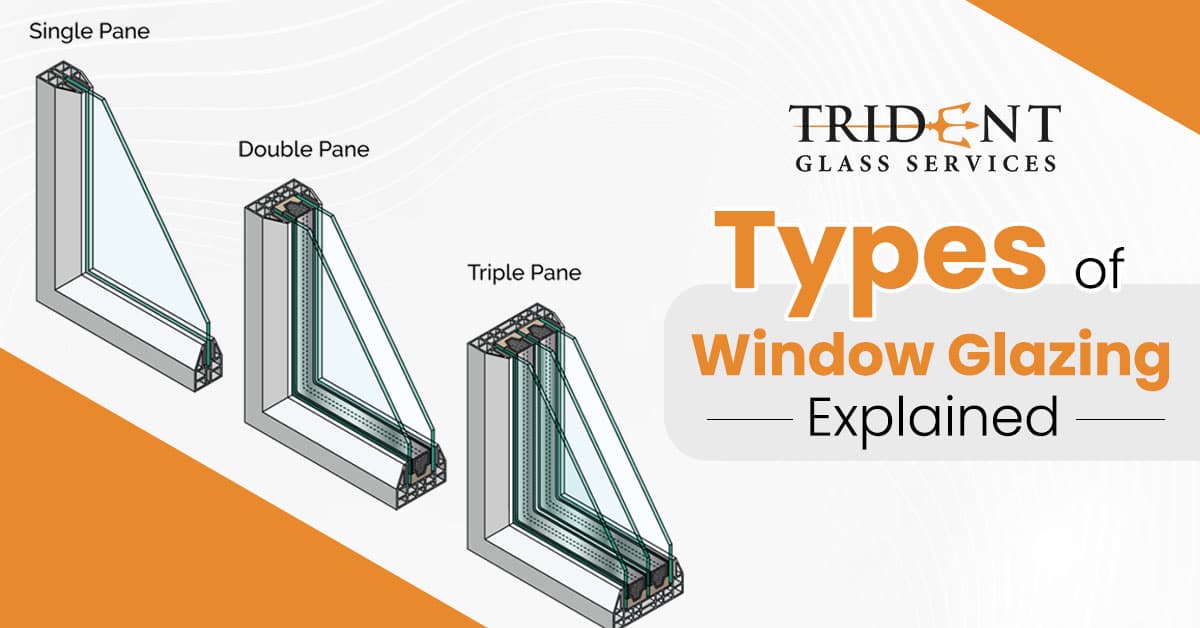
Glazing refers to the glass itself, not the frame around it. A window can be single glazed, with one pane of glass, or double glazed, with two panes separated by a sealed gap. Some homes go further and use triple glazing, though that's less common in Australian conditions.
The number of panes changes how the window performs. Single glazing is the simplest and cheapest option, but it offers almost no resistance to heat moving through it. Double glazing adds a second pane and an insulating gap, which slows that heat transfer in both directions. This is the part that answers what window glazing for most homeowners is: it's the difference between a window that just lets light through and one that actually helps manage your home's temperature.
Single Glazing vs Double Glazing
A side-by-side comparison makes the difference easier to picture:
Single glazing: one pane, minimal insulation, prone to condensation in cooler months
Double glazing: two panes with a sealed air or argon-filled gap, noticeably better thermal and acoustic performance
Triple glazing: three panes, used mainly in extreme climates, is rarely necessary for Australian homes
Frame material plays a part too. Aluminium, timber, and uPVC handle heat differently, so the same glass can perform quite differently depending on what it's sitting in
Most older Australian homes were built with single glazing simply because that's what was available at the time. You can often spot it before you even touch the glass, a faint distortion in the reflection, maybe a slightly yellowed tint newer panes don't get. None of that means you need to remove the window and start again. That's where secondary glazing comes in.
What Is Secondary Window Glazing?
Picture a second pane fitted on the inside of your existing window, sitting in its own slim frame rather than touching the original glass at all. That's secondary window glazing in a nutshell. The original single pane stays exactly where it is, and a second sheet (sometimes glass, sometimes acrylic) sits just behind it. The air gap between the two does the same job as a sealed double-glazed unit: it slows heat moving through and reduces outside noise.
It's not the right call for every window, but it earns its keep in heritage-listed homes, where the original frames usually can't be touched, and for renters facing the same restriction. It also suits homeowners who aren't ready to spend on a full retrofit yet, or anyone in an apartment where strata rules block changes to the building's exterior.
Because the original window never moves, the whole setup is reversible, and it goes in faster than a full retrofit. It won't match a true double-glazed unit for performance, but secondary window glazing closes a good chunk of that gap without the disruption of pulling frames out.
How It Differs from a Full Retrofit
A full double glazing retrofit swaps the single pane inside the existing frame for a complete sealed unit. Secondary glazing leaves that original pane untouched and adds a layer behind it instead. Both cut down on heat loss and noise. They just get there from different starting points.
Things worth knowing before choosing between them:
A full retrofit generally delivers stronger thermal and acoustic results than secondary glazing alone
Secondary glazing costs less per window and can often be installed without trade access to the exterior
Full retrofits change the window's appearance less from the outside, since the original frame and sightlines stay intact
Secondary glazing can be added to almost any window type, including older timber frames that aren't suitable for a full glazing unit
Choosing What's Right for Your Home
There isn't a single correct answer here. It comes down to budget, the condition of your existing frames, and any restrictions on what you're allowed to change, particularly in heritage areas or strata buildings. A north-facing bedroom with traffic noise outside might benefit most from a full retrofit, while a heritage cottage with protected timber frames might be better served by secondary glazing.
A few practical points to weigh up:
Get an onsite assessment before committing, since frame condition varies a lot between homes
Ask whether the glass meets AS1288, the Australian standard for safety glazing
Consider noise and heat separately, since some glass types prioritise one over the other
Factor in resale value, since better-glazed windows are increasingly something buyers ask about
If your windows are doing more harm than good and you're not ready for a full window replacement, Retrofitting Double Glazed Windows is worth reading up on before you decide. Whether you go with secondary glazing or a full retrofit, the goal is the same: a window that actually earns its place in the wall, rather than one that just happens to have glass in it.