
Walk into five different display showrooms, and you'll hear five different opinions on what makes a "good" window. Part of the confusion comes down to the fact that glazing isn't one thing. There are types of window glazing based on pane count, glass treatment, and frame material. Once you understand these categories, a glazier's quote will be much clearer. This guide works through them one at a time, including where Double Glazing Sydney homeowners tend to land once they've weighed up the options.
Glazing by Pane Count
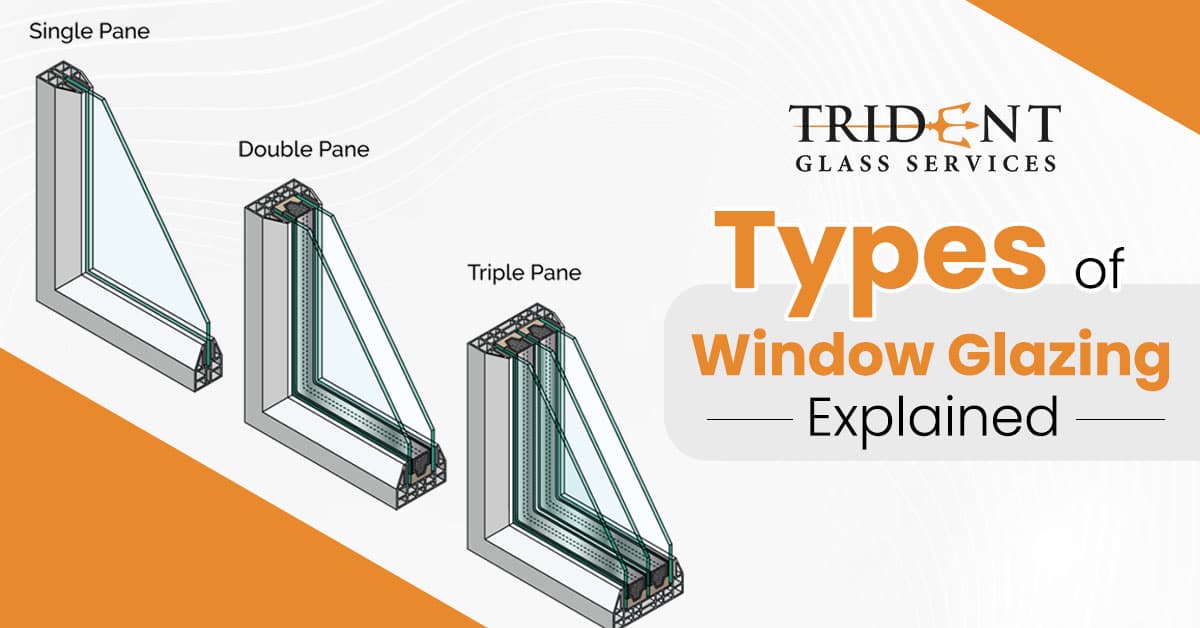
The most basic way to sort types of window glazing is by the number of panes of glass stacked together.
Single glazing uses one pane and offers very little resistance to heat moving through it
Double glazing uses two panes with a sealed, often gas-filled gap between them, which slows the heat transfer noticeably
Triple glazing adds a third pane and is mostly reserved for genuinely cold climates, since the extra cost rarely pays off in Australian conditions
Most homes built before the last couple of decades were fitted with single glazing as standard. It wasn't a poor decision at the time. It's just what builders used before anyone gave much thought to thermal performance. Double glazing has since become the practical upgrade for homeowners chasing comfort and lower energy bills, without needing to go as far as triple glazing.
Glazing by Glass Treatment
Pane count is only half the story. The glass itself can be treated in several ways, and each treatment changes how a window performs:
Toughened glass is heat-treated to be harder to break and safer if it does, since it shatters into small fragments rather than sharp shards
Laminated glass sandwiches a flexible interlayer between two sheets, which holds the glass together on impact and cuts down noise transmission
Tinted glass reduces glare and some heat transfer, useful on windows that get heavy afternoon sun
Low-emission (low-E) glass has a microscopic coating that lets light through while reflecting a portion of heat back the way it came
A single window can combine more than one of these treatments. A north-facing bedroom window, for example, might use double glazing with a low-E coating on one pane and a laminated layer for noise, all within the same unit.
Aluminium Window Glazing and How It Compares
Frame material is the part people overlook most often, yet it has a real effect on how a window performs day to day. Aluminium window glazing is one of the most common setups in Australian homes, largely because aluminium frames are durable, low maintenance, and don't warp or rot the way timber can over time.
That said, aluminium window glazing comes with a trade-off worth knowing about. Aluminium conducts heat far more readily than timber or uPVC, so a standard aluminium frame can undercut some of the benefit of the double glazing sitting inside it. Manufacturers address this with thermally broken frames, which insert an insulating barrier within the aluminium itself to slow that heat transfer. It's a detail worth asking about directly, since not every aluminium frame on the market includes it.
A few points worth weighing when aluminium window glazing is on the table:
Thermally broken aluminium frames close most of the performance gap with timber, at a similar price point
Standard (non-thermally broken) aluminium frames are cheaper but conduct more heat, which matters more in extreme climates
Aluminium suits coastal areas well, since it resists corrosion better than some alternatives
Slimmer aluminium sightlines suit modern architectural styles, where larger glass panels and minimal frame visibility are often the goal
Timber frames offer better natural insulation and a distinct aesthetic, but they require more upkeep over time, particularly in humid or coastal conditions. uPVC sits somewhere in between on cost and maintenance, though it's less common in Australian builds than it is overseas. None of these is a wrong choice. It comes down to climate, budget, and how much upkeep you're willing to take on.
Matching Glazing Type to Climate
The right combination of pane count, glass treatment, and frame material depends heavily on where the house actually sits. A home in Perth dealing with long, hot summers needs a different priority list than a home in Sydney managing more variable conditions across the year, or a Melbourne house contending with sharper winter cold.
A few patterns tend to hold up across most of the country:
Homes with significant western sun exposure benefit most from tinted or low-E glass, regardless of frame material
Properties near busy roads see the biggest improvement from laminated glass and a well-sealed double-glazed unit
Coastal homes generally do better with aluminium or uPVC frames over timber, due to corrosion and moisture resistance
Heritage properties often have restrictions on frame changes, which narrows the realistic options considerably
There's no single combination that works everywhere, which is exactly why an onsite assessment tends to produce a better outcome than a generic quote based on square metres alone.
Bringing It All Together
Understanding the different types of window glazing puts you in a much stronger position when you're sitting across from a glazier discussing a quote. Pane count sets the baseline thermal performance, glass treatment fine-tunes it for noise, glare, or heat, and frame material decides how well that performance actually holds up once it's installed.
If you're in Western Australia and weighing up your options, it's worth getting a proper look at Double Glazed Windows Perth before settling on a combination. Whether you end up with timber, uPVC, or a thermally broken aluminium frame, the goal stays the same: a window built for the specific conditions it has to deal with, rather than whatever happened to be standard when the house was first built.