
Glass Windows and Doors: A Buyer's Guide
Buying new glass windows and doors involves more decisions than most people expect going in. Frame material, glass type, door style, and budget all pull in slightly different directions, and getting one wrong can undercut the benefit of getting the others right. This guide walks through the choices in the order they usually matter most, starting with the frame and working through to the questions worth asking before you sign off on a quote. If double glazing is part of the plan, we cover Double Glazing Sydney options further down as well.
Where to Start: Frame Material First
The frame holds everything together, literally and in terms of overall performance, so our glaziers always settle this before talking about glass type. The three main frame materials we work with across Sydney homes end up in pretty different places when you weigh them against each other. Aluminium holds up with almost no maintenance and won't warp on you, though a standard frame conducts more heat than people expect unless it's been thermally broken. Timber goes the other way. It insulates naturally and looks warmer doing so, but you're signing up for more upkeep, especially in humid areas or near the coast. uPVC lands somewhere in the middle on both fronts, though it's still less common in Australian builds than in Europe or the UK.
There's no universal winner here. A beach house leans toward aluminium just for the corrosion resistance, while a Federation cottage being renovated usually looks better and performs better thermally with timber back in the frame. We can talk you through what suits your place once we've seen it.
Timber Framed Glass Doors: What to Know
Timber framed glass doors come up a lot in the renovations our team takes on, particularly on character homes where aluminium frames would look out of place against original brickwork or weatherboard. The appeal is straightforward. Timber insulates well on its own; it ages with a warmth that aluminium doesn't replicate, and it suits heritage-style properties without looking like a modern retrofit.
The trade-off is maintenance. They need periodic resealing and repainting or restaining to stop moisture getting into the wood, particularly around the bottom rail, where water tends to collect. Skipping this maintenance is the most common reason our glaziers see timber doors in older Sydney homes swell, stick, or rot prematurely.
A few points we'd flag before choosing timber framed glass doors specifically:
Look for hardwood or treated timber species suited to Australian conditions, rather than generic softwood
Check what finish and sealant schedule the supplier recommends, since this varies by timber type
Factor in the ongoing maintenance cost, not just the upfront price, when comparing against aluminium
Confirm the glazing itself, since even a well-built timber frame underperforms with poor-quality glass inside it, something we always check before signing off on an installation
For homeowners not deterred by the upkeep, this style remains one of the better-looking options on the market, especially for entryways and living areas that open onto a garden or courtyard.
Glass Type Matters as Much as the Frame
Once the frame is settled, the glass itself needs just as much thought, and it's where our team spends most of its time with clients. A few options we install regularly:
Single glazing, the simplest and cheapest, offering minimal insulation
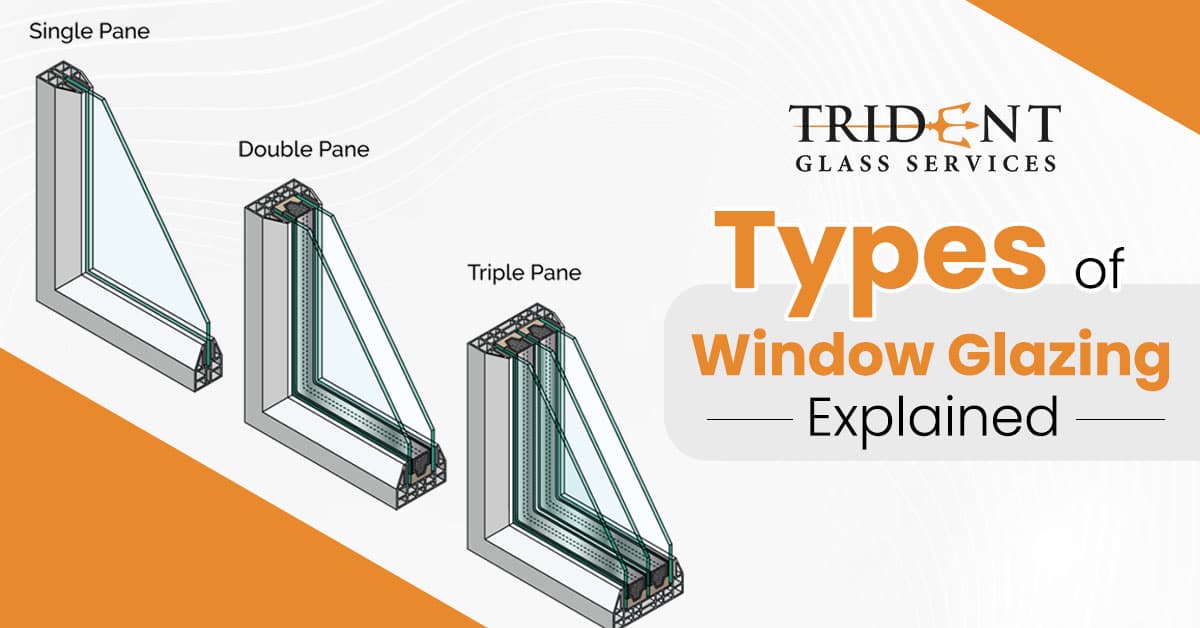
Double glazing, two panes with a sealed gap, is significantly better for both heat and noise
Toughened glass, heat-treated for strength and safer breakage in high-impact areas
Laminated glass, which holds together on impact and reduces noise transmission
Low-emission (low-E) glass, which filters heat while still letting light through
Tinted glass is useful for glare and heat reduction on sun-exposed windows
These aren't mutually exclusive. A double-glazed unit can combine a low-E coating on one pane with a laminated interlayer for noise, all within the same window or door, and it's a combination we put together often for Sydney homes facing busy roads.
Matching Style to How You Actually Use the Space
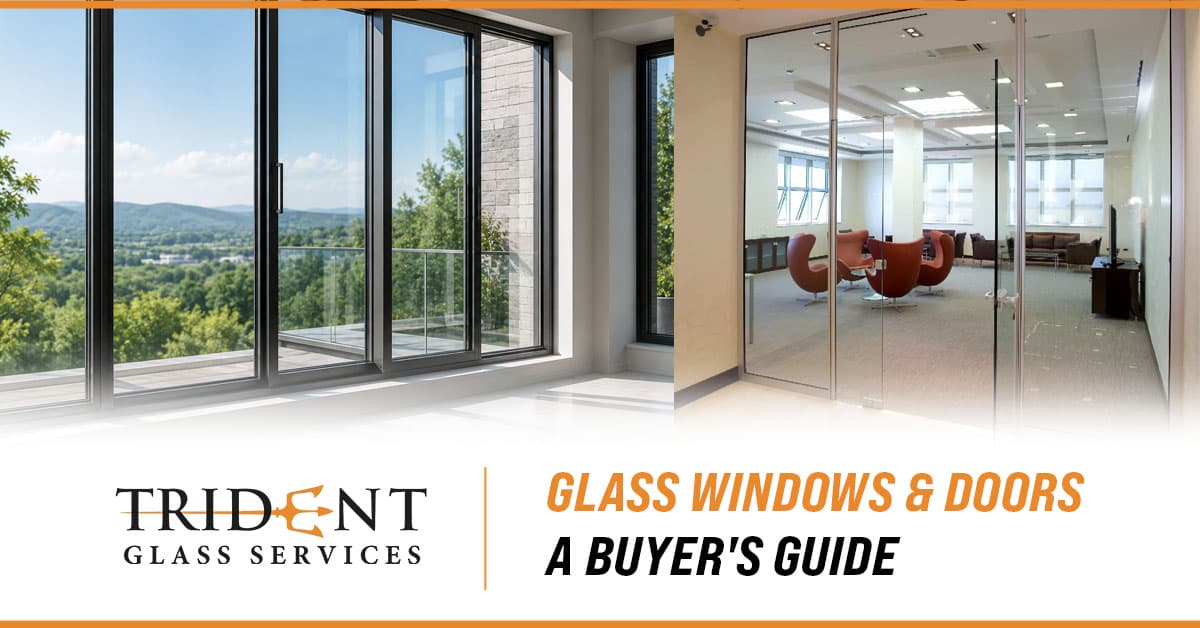
Glass windows and doors come in enough styles that it's worth thinking about how a space gets used before settling on one. Sliding doors suit areas where floor space is limited and you want a wide opening without swinging panels. French doors work well for a more traditional look and a full-width opening, though they need clearance on both sides to swing. Bifold doors stack neatly to one side and suit spaces that open fully onto an outdoor area, like a kitchen leading to a deck. We fit all three regularly across Sydney homes.
Fixed glass panels, meanwhile, are worth considering anywhere you want natural light without needing an opening at all, since they're generally cheaper and require no mechanical maintenance.
Budget and Maintenance, Side by Side
Upfront cost and ongoing maintenance don't always move together, which catches some buyers out, and it's a conversation we have with almost every client at the quote stage. Aluminium frames cost less to maintain over time, even if the upfront price is similar to timber. Double glazing costs more initially but reduces energy bills over the years of use. Toughened and laminated glass both increase the initial price but reduce the likelihood of costly repairs later, particularly for high-traffic doors.
Questions Worth Asking Before You Buy
A short list our team at Trident Glass Services is always happy to talk through, and one worth running past any supplier you're considering:
Does the glass meet AS1288, the Australian standard for safety glazing? It's a non-negotiable on every job we take on
What's the warranty on both the glass and the frame, and are they covered separately?
How long is the lead time for custom sizes, especially for timber framed glass doors built to order?
Is installation included, or quoted separately from the supply of the glass and frame?
Making the Final Call
Choosing new glass windows and doors comes down to matching the frame material, glass type, and door style to how the space is actually used, and then checking that the numbers add up over the long term rather than just on the initial quote. There's rarely a single right answer, just a combination that suits your home, your climate, and how much upkeep you're willing to take on. It's precisely the kind of decision our team at Trident Glass Services works through with Sydney homeowners every week.
If the existing glass in your home is cracked, fogged, or simply past its best, Glass Replacement Sydney is worth getting a quote on before committing to a full new installation. Sometimes the fix needed is smaller than a full window or door replacement, and a proper onsite assessment from Trident Glass Services is the quickest way to find out which situation you're actually in.